Tailor-Made Trust: The Quiet Reason Some People Always Look Put Together
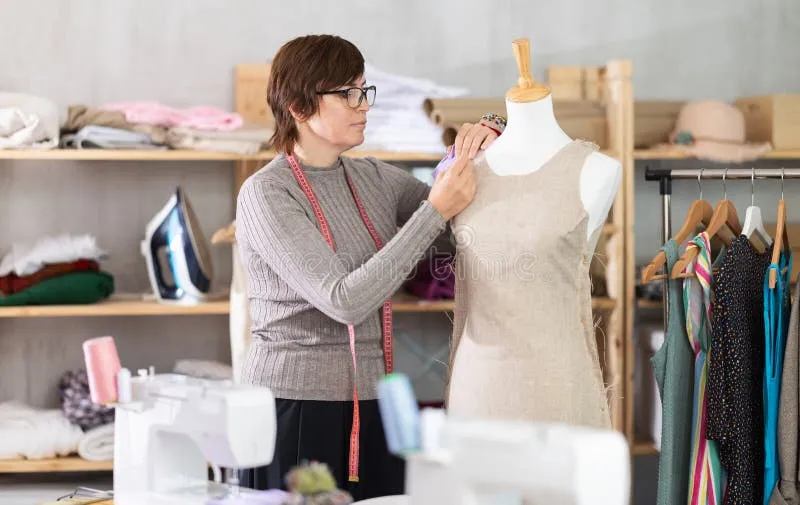
Photo: seamstress pinning dress hem in boutique tailoring studio, via thumbs.dreamstime.com
You know the person. Everything they wear fits like it was grown in a lab somewhere — sleeves that end exactly at the wrist bone, pants that break perfectly over the shoe, blazers that skim the shoulder without a single pull or pucker. You assume they have the budget for designer everything. Then you spot them at a farmers market in a $60 dress that somehow still looks like a million bucks.
Here's the secret nobody puts on a price tag: that dress was probably $60 and $35, because the best-dressed people in America have a habit the rest of us skip. They alter everything.
The $40 Hem vs. the $400 Impulse
Let's do some quick math that your wallet will thank you for. Say you buy a $180 dress that fits everywhere except the waist, where it gaps by two inches. You wear it twice, feel slightly frumpy each time, and it migrates to the back of the closet. Total cost per wear: $90 and climbing.
Now imagine you'd taken it to a tailor. A side seam adjustment runs $20 to $40 in most US cities. Suddenly that dress fits like it was made for you, and you reach for it constantly. Cost per wear after a year? Pocket change.
The impulse buy and the alteration cost about the same amount of money. One of them adds a garment to your life. The other adds a regret.
What People Actually Bring In
We talked with a seamstress who works out of a small boutique in the Midwest — the kind of woman who has pinned hems for three generations of the same family. Her most common jobs won't surprise anyone who's paid attention:
- Denim hems, especially on petite clients tired of paying for "ankle" lengths that still puddle
- Strap adjustments on dresses, because off-the-rack torsos are built for an imaginary average person
- Taking in blazers at the side seams, the single fastest way to make inexpensive tailoring look expensive
- Replacing buttons and zippers on pieces people love but the fast-fashion world told them to throw away
Notice what's missing from that list: dramatic transformations. "People think tailoring is about reinventing a garment," she told us. "It's not. It's about removing the two percent that's wrong so the ninety-eight percent that's right can shine."
Why Boutiques Are Bringing Tailoring In-House
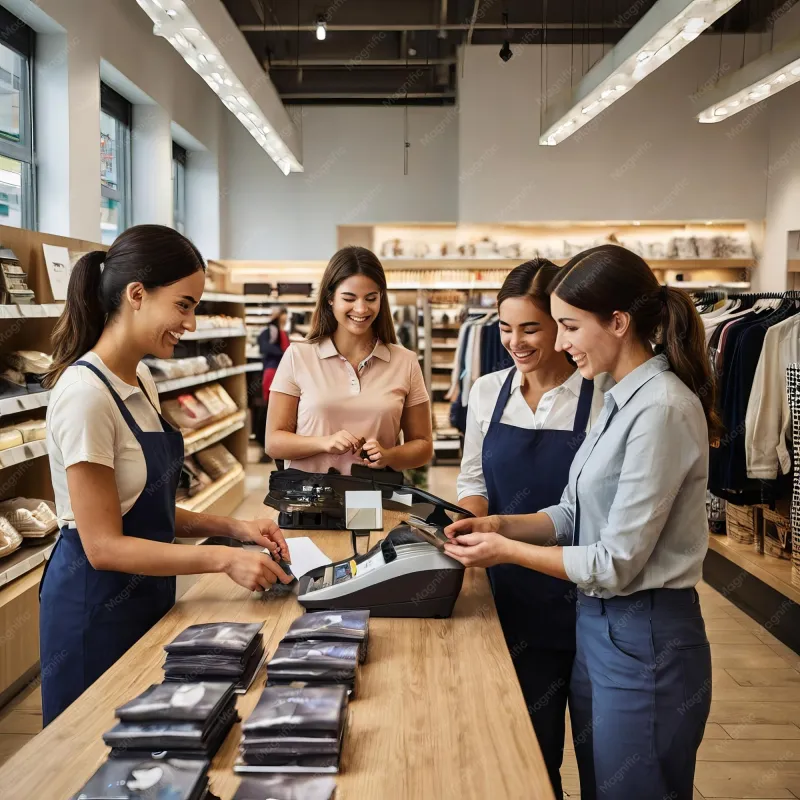
Walk into enough independent boutiques lately and you'll notice something: a sewing machine in the back room, a rack marked "alterations," or a business card taped to the register that isn't for the store itself.
This isn't a coincidence. Independent retailers have figured out that in-house or partnered tailoring is one of the few things no algorithm, no fast-fashion giant, and no same-day shipping app can copy. Amazon can't hem your pants. A website can't pin a dress while you're wearing it and tell you honestly whether the fix is worth it.
For boutiques, it's also a statement of confidence. A store that offers alterations is telling you: we believe this piece will be in your closet for years, and we're willing to invest in that. That's a very different message than the one printed on a clearance tag.
How to Start (Without Overhauling Your Wardrobe)
You don't need to become a tailoring evangelist overnight. Start small:
- Pick one piece you already love but never wear. Chances are there's a fit issue behind the neglect.
- Ask your boutique first. Many either have a seamstress on staff or a trusted local they refer to — and the store can often tell you whether the fix is realistic.
- Learn the two rules of thumb: hems and takes-in are usually affordable; major resizing (going up more than two sizes, restructuring shoulders) usually isn't.
- Budget for it upfront. If a piece needs $40 of work, treat that $40 as part of the price when you decide whether to buy.
That last point is the whole philosophy in one sentence. The sticker price is a down payment. The finished price is what it costs to actually love something.
The people who always look put together didn't crack a code. They just stopped accepting "close enough" — and found someone with a needle who agreed with them.