When the Person Selling You Clothes Actually Knows You
Most of us have had the experience of wandering into a big-box retailer, circling the floor twice, and leaving with either nothing or something we weren't sure about. The staff were technically present. But no one really saw you. You were a customer in the abstract — not a person with a wardrobe, a history, and a very specific reason you needed something new.
Boutique shopping flips that dynamic entirely. And once you've experienced the difference, it's genuinely hard to go back.
The Quiet Power of Being Remembered
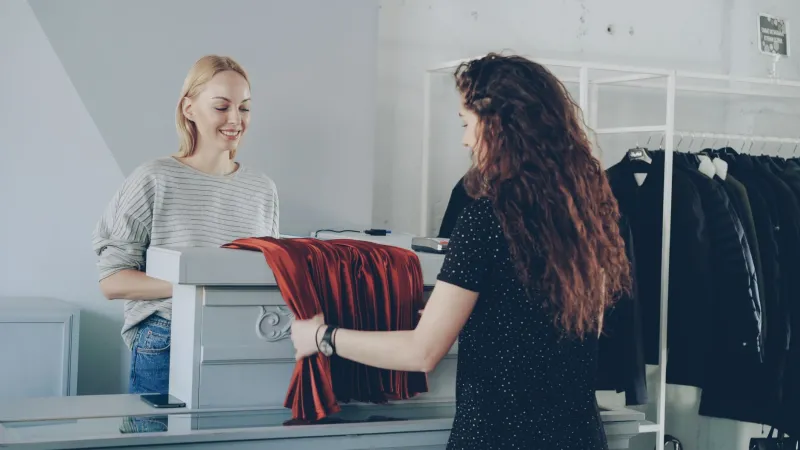
It sounds small, but being recognized when you walk into a store changes everything about how you engage with the space. When a sales associate greets you by name — or better yet, mentions that something came in last week that immediately made them think of you — you're no longer browsing. You're in a conversation.
That recognition isn't just pleasant. It's efficient. Instead of sorting through an entire floor of options, you're being guided toward the pieces that actually make sense for your taste, your body, and whatever's currently going on in your life. Boutique staff who know their regulars can cut the noise dramatically. They know you hate anything too cropped. They know you've been looking for the right camel coat for two seasons. They know you wear a lot of black but have been slowly introducing color.
This kind of institutional knowledge about a customer doesn't happen by accident. It builds over time, through real conversations and genuine curiosity about the people who come through the door.
Honest Feedback Is Rarer Than You Think
Here's something most shoppers don't realize: honest feedback in a retail environment is genuinely uncommon. In anonymous settings, there's almost no incentive for a salesperson to tell you that something isn't quite right. The transaction is the goal. Enthusiasm — even if it's hollow — moves product.
Boutique relationships work on a different economy. When a staff member has built trust with you over months or years, their reputation is on the line every time they make a recommendation. Telling you the truth — that the proportions on that jacket aren't doing you any favors, or that the color is pulling a little dull against your complexion — is actually in their best interest. Because if you get home and realize they were right, you trust them more. And if you ignore them and regret it, you remember that too.
This kind of honest exchange is what separates a shopping advisor from a sales associate. One is trying to close a transaction. The other is trying to build your wardrobe.
First Access Is a Real Thing
Regular boutique customers often get something that feels almost like a perk: early access to new arrivals. Not through a loyalty program or a marketing email blast — through a literal text or call from someone who thought of them specifically.
"That wrap dress you've been wanting in a different colorway just came in. Do you want me to set it aside?"
This isn't just convenient. It's a reflection of a relationship that has real value. Boutiques carry limited quantities almost by definition — that's part of what makes their curation special. When you're known by the people who work there, you're not competing with an algorithm or a flash sale notification. You're getting a heads-up because a human being connected a piece to you personally.
For shoppers who've been burned by missing out on something they loved — only to find it gone in their size by the time they went back — this kind of access feels genuinely meaningful.
Style Confidence Builds in Relationship
One of the less-discussed benefits of boutique relationships is what they do for your confidence over time. When you have a trusted person in your corner — someone who knows your taste, has seen you in dozens of things, and gives you real feedback — you start to develop a clearer picture of your own style.
You stop second-guessing as much. You start knowing faster when something is right. You build a working vocabulary for what you like and don't like, because you've had actual conversations about it rather than just scrolling alone.
This is the kind of style development that used to require hiring a personal stylist. In a good boutique, it's just part of the experience.
At Sarami Boutique, this is something we think about a lot. The idea of curated style, uniquely yours isn't just a tagline — it's a description of what actually happens when a shopping experience is built around a real person rather than a demographic segment. Every recommendation, every honest opinion, every "hold this for me" moment is part of building a wardrobe that actually belongs to you.
The Long Game of Knowing Your Customer
There's a reason boutique regulars often describe their relationship with a favorite store in terms that sound almost like friendship. Because in a meaningful sense, it is. The staff know things about your life — your job change, your move across town, the event you needed something for — and that context shapes every interaction.
This is the long game of boutique retail. It's not about a single transaction. It's about being useful to someone over time, in ways that compound. The customer who feels genuinely known is the one who comes back — not out of habit, but out of trust.
And trust, in fashion as in most things, is worth more than any discount code.
What to Look for in a Boutique Relationship
If you haven't experienced this kind of shopping yet, here's what to pay attention to:
- Do they ask questions? Not just about your size, but about where you're wearing something, what you already own, what you've been looking for.
- Do they remember things? Even small details — a preference for natural fabrics, a silhouette you mentioned — signal that they're actually listening.
- Do they ever say no? A good boutique associate will occasionally tell you something isn't right. That's a feature, not a flaw.
- Do they reach out? The best boutique relationships involve a little proactive communication — a message when something relevant arrives, not a mass marketing email.
These are small signals, but they add up to something significant: a shopping experience that actually serves you, rather than one you have to navigate around.
The clothes you end up loving most are rarely the ones you found alone at 11pm scrolling a website. They're the ones someone helped you see — because they knew you well enough to know you'd love them.