One Appointment, Endless Outfits: What a Personal Stylist Actually Does for Your Wardrobe
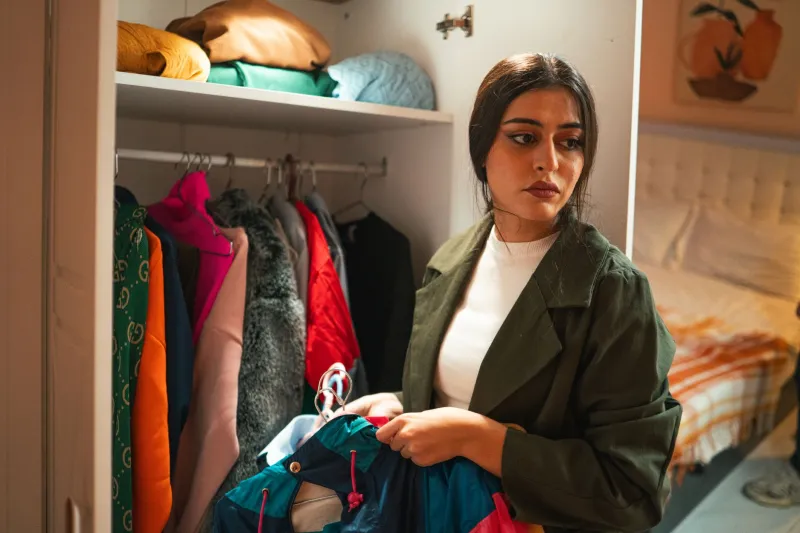
Let's be honest: most of us have stood in a closet full of clothes and felt absolutely nothing to wear. It's a specific kind of frustration — the kind that sends you spiraling into an online cart at 11pm, buying three things you'll return and one thing you'll regret. Sound familiar?
That's exactly the cycle a boutique personal styling session is designed to break. And once you've experienced it, it's genuinely hard to go back to shopping any other way.
What Actually Happens in a Styling Session
If you've never booked one, the concept can feel a little intimidating — or maybe a little indulgent. But strip away any preconceived ideas, and a boutique styling session is really just a focused conversation about you: your lifestyle, your body, your budget, and the version of yourself you're trying to dress.
At boutiques like Sarami, that conversation shapes everything. A stylist might ask about your daily routine, your job, how you feel in photos, what you keep reaching for versus what keeps getting pushed to the back of the rack. From there, they pull pieces with you in mind — not just what's trending, not just what's in stock, but what actually makes sense for your specific life.
"The biggest misconception is that we're here to impose a look," says one independent boutique stylist based in Nashville who has been working with clients for over a decade. "We're here to listen first. The goal is always to make someone feel more like themselves, not like they're wearing a costume."
That distinction matters more than it might seem.
The Real Cost of Shopping Without Direction
Here's a number that tends to stop people in their tracks: the average American spends around $1,800 on clothing per year. Yet studies consistently show that most people wear only about 20% of what's in their closet on a regular basis. That means a significant chunk of that spending — often hundreds of dollars — goes toward pieces that get worn once or never at all.
A boutique stylist essentially flips that equation. Instead of buying more and wearing less, you start buying better and wearing more. The math gets a lot more interesting.
"I had a client come in who had been spending a fortune on fast fashion and still felt like she had nothing to wear," recalls a stylist from a Chicago-area boutique. "We did one session, pulled about eight pieces, and she texted me three months later saying she'd worn every single one at least five times. That's the shift."
Decision fatigue is real, too. Every morning you spend staring at your closet wondering what to wear is mental energy you're spending before your day has even started. A well-curated wardrobe — one built with intention rather than impulse — quietly eliminates that friction. You just... get dressed. And it feels good.
Fit Is Everything (And Most People Don't Know Their Fit)
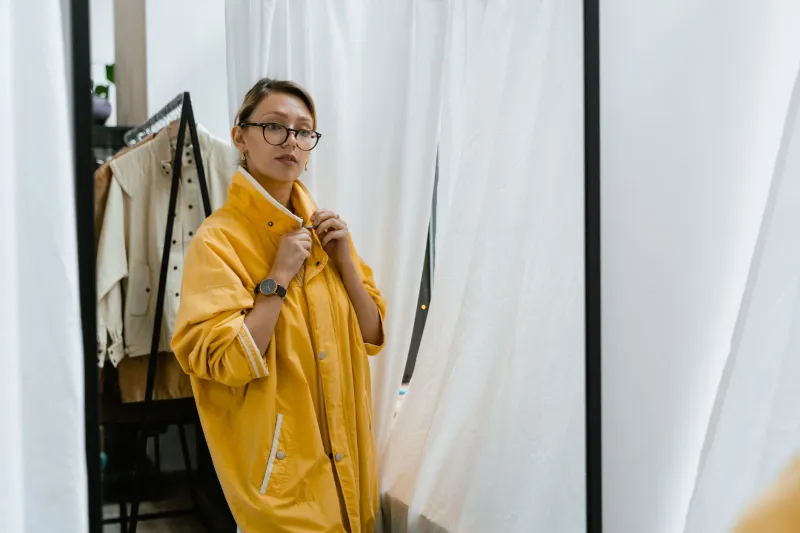
One of the most underrated things a boutique stylist brings to the table is fit expertise. Not in a rigid, "you must wear this silhouette" kind of way — but in the deeply practical sense of understanding how different cuts, fabrics, and proportions work on different bodies.
Mass-market retail isn't built for nuance. Sizes are standardized, fitting rooms are an afterthought, and there's rarely anyone around to tell you that the reason those pants feel off isn't your body — it's the rise. Or the fabric weight. Or the fact that you need a half-size alteration that would make them perfect.
Boutique stylists know these things. They've handled the clothes, they understand the construction, and they can spot in about thirty seconds whether something is working or just almost working. That knowledge is hard to replicate with an algorithm or a size chart.
"Fit is the foundation of everything," one stylist put it simply. "You can put someone in the most beautiful piece in the store, but if it doesn't fit their body the way it should, they won't feel beautiful in it. That's what we're really solving for."
Long-Term Wardrobe Planning: The Part People Don't Expect
Here's where boutique styling gets genuinely strategic: it's not just about what you're buying today. A good stylist is thinking about what you already own, what gaps exist, and how new pieces will integrate into your existing wardrobe.
That might mean identifying that you actually need one versatile blazer more than you need three more casual tops. Or recognizing that your workwear and your weekend wardrobe are completely disconnected and could share a lot more overlap with a few transitional pieces. Or simply flagging that you keep gravitating toward a certain color palette and leaning into that instead of fighting it.
This kind of wardrobe architecture takes time to develop on your own. A stylist can get you there in a single appointment.
One client who works in marketing described her experience this way: "I went in thinking I needed a whole new work wardrobe. My stylist pulled maybe six things, showed me how they worked with stuff I already owned, and I left spending less than I planned but feeling like I'd gotten so much more. I didn't expect to feel that organized about my clothes."
Why Boutique (Specifically) Makes the Difference
It's worth asking: can't you get this at a department store? Technically, some department stores offer styling services. But the boutique experience is fundamentally different in a few key ways.
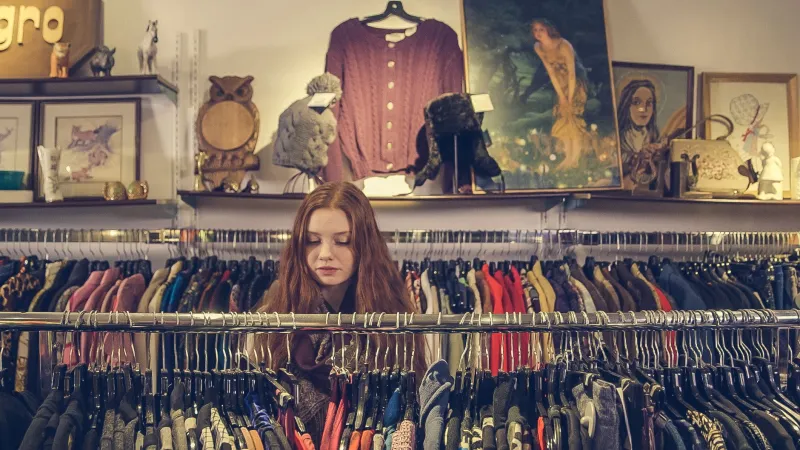
First, the inventory is curated before you even walk in. At a boutique, someone has already made intentional choices about what's on the floor — which means your stylist is working with a tighter, more considered edit rather than an overwhelming sea of options. Second, the relationship is more personal. Boutique stylists tend to know their regulars, remember their preferences, and reach out when something new arrives that feels right for them. That kind of continuity is rare in a big-box environment.
And honestly? The stakes feel lower. There's less noise, less pressure, and more room to actually think about what you want.
How to Get the Most Out of Your Session
If you're ready to book, a little prep goes a long way. Come with a rough sense of what you're shopping for — even if it's vague. Bring photos of looks you love (or hate). Be honest about your budget and your lifestyle. And if there are things about your body that affect how you like to dress, say so. A great stylist won't judge; they'll just use that information to find you something that actually works.
Most importantly, come with an open mind. The whole point of working with someone who knows clothes is that they might show you something you'd never have pulled for yourself — and it might be exactly what you've been missing.
Your wardrobe should feel like you. Not like a random accumulation of sale impulses and almost-right choices. A single styling session can be the reset that gets you there — and keeps you there, one great outfit at a time.