Seven Days on Main Street: The Ledger of One Little Shop That Feeds a Whole Town
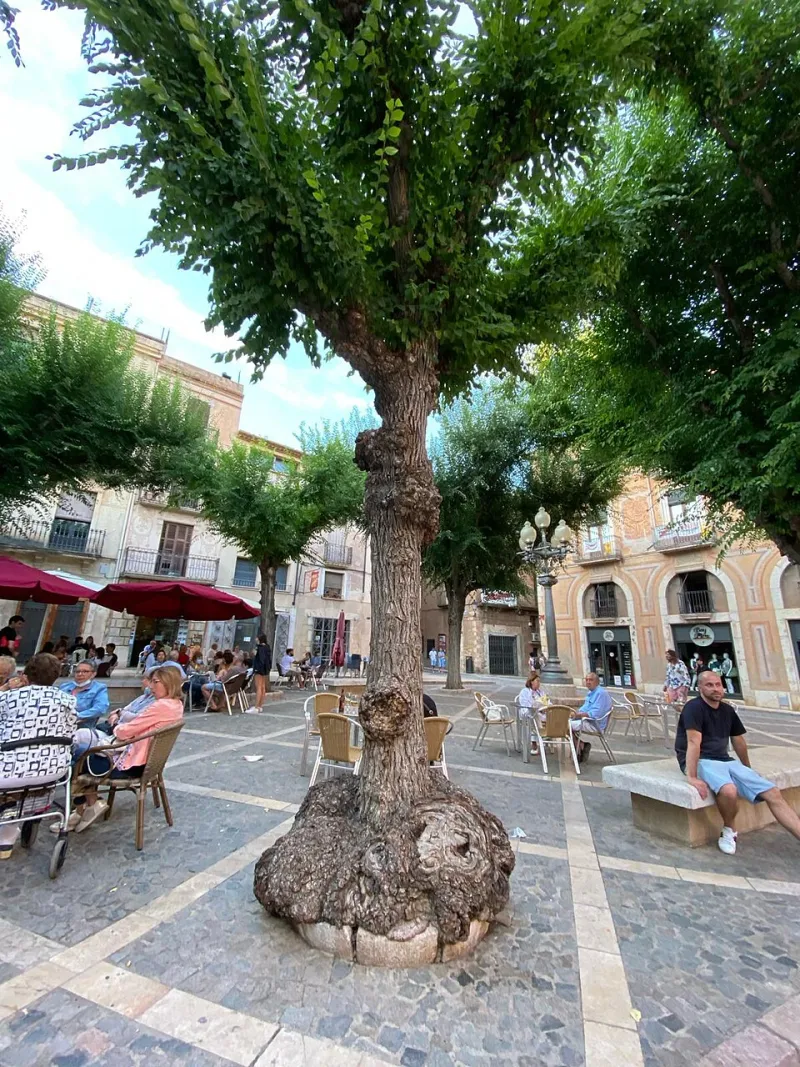
Photo: Galimatiasgg, CC0, via Wikimedia Commons
There's a boutique in a town of about 9,000 people — we'll leave it unnamed, because the owner would be embarrassed and then would insist on feeding us — where the register tape tells a story that no economic report ever captures.
We asked to see a week of it. Not the numbers in the abstract, but the transactions themselves, line by line, with the stories attached. What follows is a lightly disguised portrait of one week in one shop, and what it says about the strange, beautiful plumbing of a local economy.
Monday: The Sale That Wasn't Just a Sale
Monday opens quietly. A teacher comes in on her lunch break and buys a wrap dress for a wedding in two weeks. $128.
Here's what the register doesn't show: the owner recommends the bride's mother to the seamstress two doors down, who will take the dress in at the waist. The seamstress, in turn, buys her coffee from the café next to the boutique. The café owner's wife shops at the boutique. The dress, in other words, doesn't cost $128. It circulates.
Tuesday: The Special Order
A retired truck driver walks in wanting a leather jacket for his granddaughter's college graduation — in a size the shop doesn't stock. The owner calls her vendor, orders it, and doesn't take a deposit. "He's brought me his Christmas list three years running," she shrugs.
Big-box logic says this is terrible business. Small-town logic says this is the entire business. The trust a customer extends when you order without a deposit is the same trust he extends when he tells his poker group where to shop.
Wednesday: The Return
A woman returns a sweater. "It's beautiful," she says, apologetically. "It's just not me." The refund is $74, and the owner writes it back to her card without a sigh, because the woman will be back Saturday — this is the third return-and-return-again cycle in their five-year relationship.
A return at a boutique isn't a loss. It's a conversation. The owner makes a note: less mohair, more cotton, for her. No algorithm on earth does that.
Thursday: The Community Ledger
Thursday's big transaction isn't a transaction at all. The boutique donates a gift card to the high school choir's silent auction. That's the fourth fundraiser this month. Nationwide, small retailers give to local causes at rates that dwarf their big-chain counterparts, and it rarely shows up in anyone's analysis of "retail economics."
But it shows up in the town's memory. When the choir director's mother later needs a gift, she knows where to go.
Friday and Saturday: The Ripple Days
The weekend brings the out-of-town traffic — folks from the county seat, a couple passing through on a fall-foliage road trip. A $52 scarf here, a pair of earrings there. The owner mentions a jeweler three blocks down; the couple walks there next. The jeweler sends clients back on Sundays when she's closed and the boutique's open.
Two days, roughly $2,300 in sales. Every one of those dollars, the owner estimates, gets spent again locally within the month — at the dry cleaner, the hardware store, the diner.
Sunday: Closed, But Not Really
The shop is dark on Sunday, but the owner is in it, steaming garments and writing next week's order. She's thinking about a customer who mentioned her daughter's birthday. She pulls a cardigan from the back and sets it aside.
That's the whole portrait, really. A big-box store moves more units in an hour than this shop does in a week. But this shop holds something a distribution center never will: it knows the town by name, and the town knows it right back. The ledger says one thing. The town says another. Both are true. Only one of them can be replaced by a website.