More, But Make It Mean Something: The Rise of Intentional Maximalism in Boutique Wardrobes
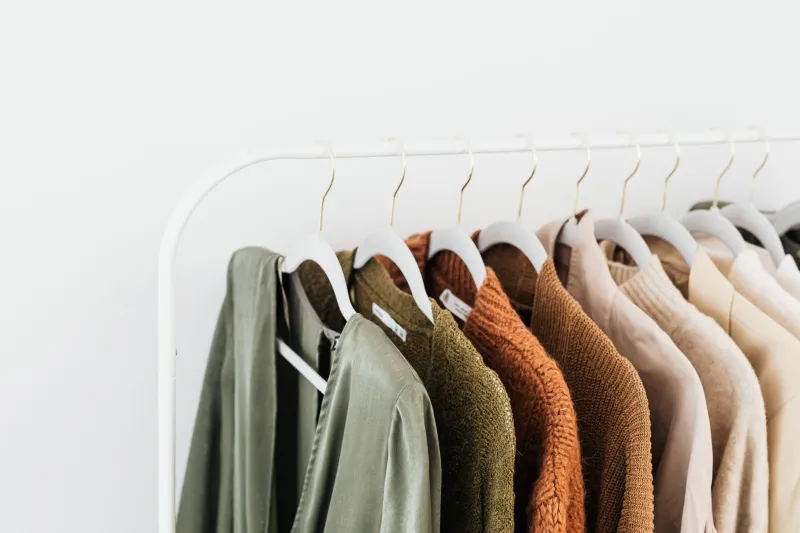
Somewhere between the tenth "10 items, infinite outfits" blog post and the fourth time you stared at a closet full of neutrals wondering why getting dressed felt so joyless, a quiet rebellion started brewing. Not loud, not reactionary — just a slow, steady realization that the capsule wardrobe, for all its Pinterest-perfect appeal, wasn't built for everyone.
And honestly? That's fine.
Boutique shoppers, in particular, are leading a shift that fashion insiders are starting to pay attention to: a move toward what's being called intentional maximalism. It's not about hoarding. It's not about impulse buying. It's about building a wardrobe that's genuinely, unapologetically full — because your life, your personality, and your sense of self are genuinely, unapologetically full too.
The Capsule Promise (And Where It Falls Short)
Let's be fair to the capsule concept for a second. The idea — pare down to a tight edit of versatile, high-quality pieces that all work together — came from a real place. It pushed back against fast fashion's churn-and-burn cycle. It encouraged people to think before they bought. Those aren't bad instincts.
But somewhere along the way, the capsule wardrobe stopped being a framework and started being a moral stance. Suddenly, having a lot of clothes meant you were doing fashion wrong. Owning color, pattern, statement pieces, or multiples of something you love became evidence of poor discipline rather than rich self-expression.
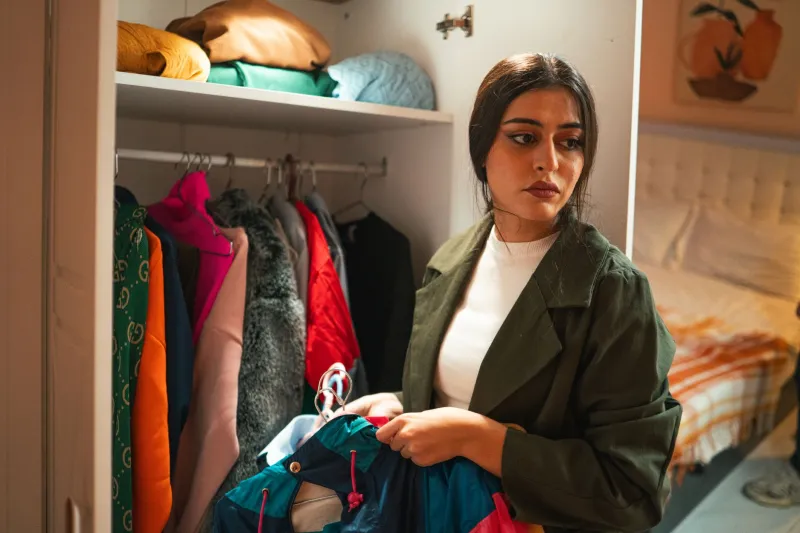
For people who use clothing as a genuine creative outlet — who dress differently depending on their mood, the season, the occasion, or just the vibe they woke up with — a 30-piece neutral wardrobe doesn't feel liberating. It feels like a costume. A very beige costume.
What Intentional Maximalism Actually Looks Like
Here's the key distinction that separates intentional maximalism from just... a lot of stuff: every single piece was chosen on purpose.
That doesn't mean every item has to "go with everything." It means you know why it's there. Maybe it's a wildly printed silk blouse that only works with two other things in your closet — but those two outfits make you feel like the best version of yourself, so it absolutely belongs. Maybe you own seven pairs of trousers because trousers are your thing, your signature, the silhouette you return to again and again. That's not excess. That's knowing yourself.
Intentional maximalists tend to shop differently, too. They're not grabbing things because they're on sale or because something vaguely matches what they already own. They're asking: Does this add something new to the story my wardrobe tells? Does it work with who I am right now — not who I was three years ago or who I think I should be?
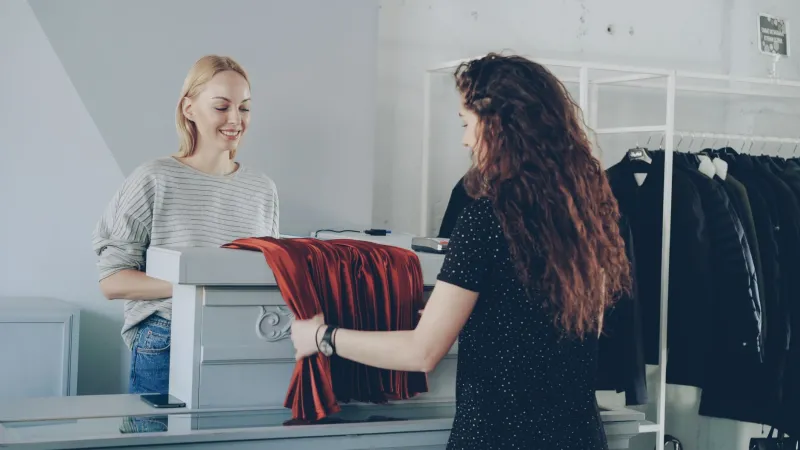
Boutique shopping, by nature, supports this kind of thinking. When you're in a space where the buyer has already done a layer of curation — where nothing made it onto the floor by accident — you're working with a higher-quality starting point. You're not filtering through a thousand options to find five good ones. You're choosing from a collection that already has intention baked in.
Cohesion Without Restriction
One of the biggest myths about maximalist wardrobes is that they're chaotic. That a closet with a lot in it must be hard to navigate, must produce more decision fatigue, must result in more "nothing to wear" mornings.
But cohesion doesn't come from having fewer pieces. It comes from having pieces that share a point of view.
Think about the wardrobes of people whose style you genuinely admire — whether that's a friend, a public figure, or someone whose outfits stop you mid-scroll. Chances are they're not working from a minimalist edit. They probably own a lot. But everything they wear feels distinctly, recognizably them. That's the goal.
Building that kind of wardrobe takes self-knowledge more than it takes restraint. You need to understand your own aesthetic language — the colors that keep calling to you, the silhouettes you reach for automatically, the textures that feel right against your skin. Once you have that clarity, you can add freely without losing coherence. More pieces, same voice.
The Boutique Advantage for Maximalist Shoppers
If you're building a wardrobe with intention and depth, where you shop matters enormously.
Mass retail isn't designed for this kind of shopper. The volume is too high, the quality too inconsistent, and the aesthetic too scattered. You can spend an hour in a big-box store and walk out with nothing that actually fits the vision in your head — or worse, walk out with things that seemed fine in the moment but don't connect to anything you already own.
Boutiques work differently. A well-curated boutique reflects a specific point of view, which means when something resonates with you there, it's likely to resonate with the rest of your wardrobe too. You're not just buying a jacket — you're buying into an aesthetic conversation that someone else has already started, and that you get to continue in your own way.
There's also the element of discovery. Intentional maximalists aren't looking for the same thing over and over. They want to be surprised, to find something they didn't know they needed until they saw it. Boutiques, with their constantly refreshed, carefully chosen inventories, deliver that in a way algorithmic shopping feeds simply can't replicate.
Letting Go of the Guilt
Maybe the most important thing intentional maximalism asks of you is this: stop apologizing for having a lot of clothes if those clothes genuinely bring you joy and serve your life.
American culture has a complicated relationship with abundance. We're told to want more but feel guilty when we have it. Fashion, in particular, has been caught in this loop for years — first encouraging consumption, then shaming it, then offering minimalism as the antidote, then making that into a new form of consumption.
The way out isn't a number. It's not "own 33 things" or "own 333 things." It's owning what's right for you, chosen thoughtfully, worn often, and loved genuinely.
If that's 40 pieces, great. If it's 140, also great — as long as every one of them is there because you put it there on purpose.
Building Your Intentional Maximalist Wardrobe
If this approach resonates, a few principles worth keeping in mind as you shop:
Know your aesthetic anchors. These are the non-negotiables — the colors, silhouettes, or vibes that show up in your wardrobe over and over because they're genuinely you. Everything else can play and experiment around these.
Add for a reason, not just because. Before a new piece comes home, ask what it adds. A new story, a new occasion, a new energy — any of these are valid answers. "It was marked down" is not.
Let go of the pieces that don't fit the current chapter. Intentional maximalism isn't about keeping everything forever. It's about keeping what's right for who you are now, and letting go of what was right for someone you used to be.
Shop with curiosity, not urgency. The best additions to an intentional wardrobe usually come when you're not desperately looking for something specific. Give yourself time to browse, to try things, to sit with a piece before committing.
Your wardrobe should feel like you walked into a room and everything in it was chosen by someone who knows you really, really well. If the capsule wardrobe gets you there, wonderful. But if you've been quietly wishing for more — more color, more variety, more you — it might be time to give yourself permission to build something bigger.