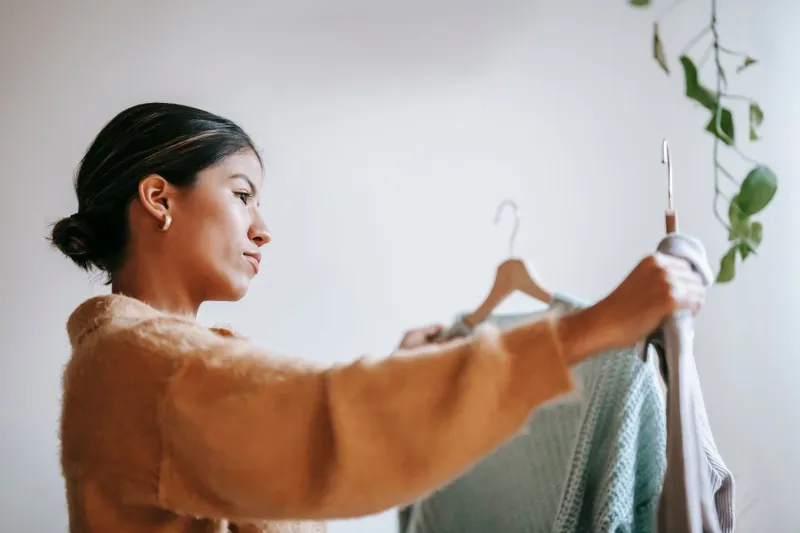
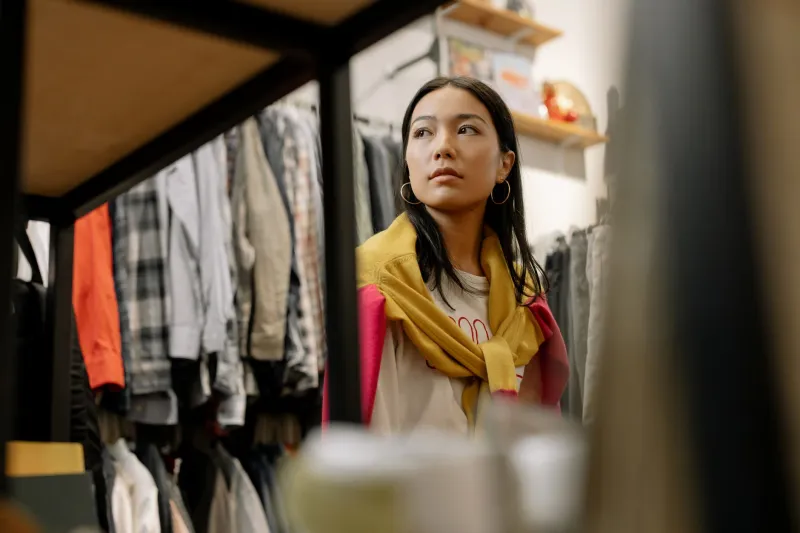
Happy Accidents: How Wandering a Boutique Finds You Pieces You Never Knew You Needed
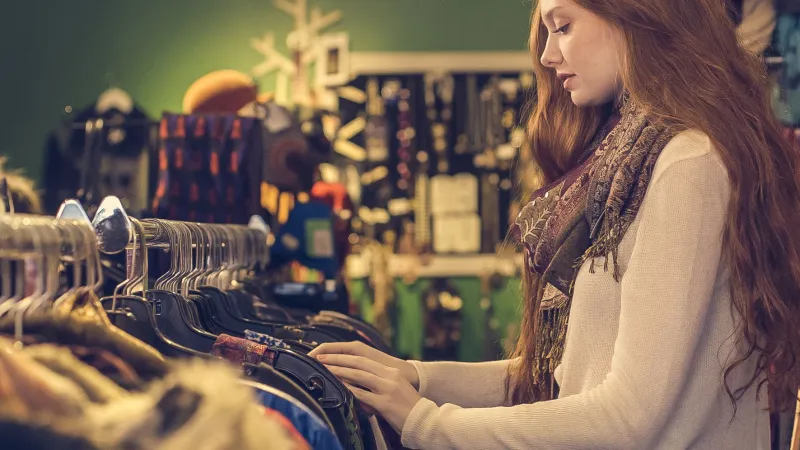
You weren't looking for it. You didn't search for it, pin it, or add it to a wishlist. But there it was — hanging at the end of a rack, catching the light just right — and suddenly you couldn't imagine your wardrobe without it. That's the magic of boutique browsing, and it's something that algorithm-driven online shopping has never quite figured out how to bottle.
In an era where most of us spend more time scrolling than strolling, the in-store experience at an independent boutique has quietly become one of the most genuinely exciting ways to connect with fashion. Not because it's nostalgic. Because it actually works.
Your Brain on Browsing
Here's something worth knowing: the way your brain processes physical environments is fundamentally different from how it handles a screen. When you're scrolling through an online shop, your brain is essentially in filtering mode — scanning, categorizing, dismissing. You're working through a grid of images, and unless something perfectly matches what you already had in mind, it tends to blur together.
Walk into a boutique, though, and something shifts. You're taking in texture, color, scale, scent, ambient sound — all at once. Psychologists call this multisensory engagement, and it significantly lowers the mental barriers we put up when we're in "shopping mode." You're more open. More curious. More willing to pick something up just because it caught your eye.
That openness is where style discovery actually lives.
The Touch Factor Is Real
Let's talk about fabric for a second, because this is where online shopping genuinely falls short. You can read "soft ribbed knit" in a product description all day, but until you've actually run your fingers across a sweater and felt the weight of it, you don't really know if it's your sweater.
Physical connection to clothing matters more than we tend to admit. The drape of a linen blazer, the satisfying structure of a well-made bag, the way a certain fabric moves when you walk — these are the details that make something feel like yours. And they're details you can only access in person.
Boutiques, in particular, tend to carry pieces where the craftsmanship is part of the point. When a shop has hand-selected every item on the floor, those tactile qualities aren't an afterthought — they're often the whole reason something made the cut.
Curation as a Kind of Conversation
One of the underrated things about a well-run boutique is that the layout itself is telling you something. The way pieces are grouped, the way a display table is styled, the unexpected pairing of a structured jacket next to a flowy printed skirt — that's not random. It's an editorial point of view, and it invites you to see combinations you wouldn't have thought to search for.
This is where the "happy accident" really happens. You came in for a birthday gift and left with a belt you didn't know existed that suddenly makes three things in your closet make sense. You picked up a blouse because it was near something else you liked, held it up, and realized it was exactly the color you'd been unconsciously reaching for all season.
Algorithms can serve you more of what you've already liked. They're genuinely good at that. But they can't show you what you haven't discovered about yourself yet. A thoughtfully curated boutique floor can.
Serendipity Is a Style Skill
There's a certain kind of shopper who has trained themselves to be open to discovery — who walks into a store without a rigid agenda and lets the space guide them. And honestly, those tend to be the people with the most interesting, personal wardrobes.
Style serendipity isn't passive. It requires a kind of relaxed attention — noticing what pulls you in even when you can't immediately explain why, being willing to try on something outside your usual zone, letting a salesperson's suggestion land instead of deflecting it. These are skills, and boutique browsing is where you practice them.
When you shop online with a specific item in mind, you're essentially confirming taste you already have. When you wander through a boutique with no fixed destination, you're expanding it.
The Role of the People Around You
Something else online shopping can't replicate: the human element. And we don't just mean a chatbot.
At a boutique like Sarami, the people on the floor aren't just there to ring you up. They know the inventory. They've noticed what's been turning heads. They can look at what you're holding and say, "Oh, that's great — but have you seen this?" and genuinely mean it, because they're not working off a commission script. They're working off taste and attention.
That kind of real-time, personalized input is a completely different experience from a "customers also bought" suggestion. It's a conversation. And conversations, more often than not, lead somewhere unexpected.
Why 'Unexpected' Feels More Personal
Here's a slightly counterintuitive truth: the pieces we didn't plan to buy often end up feeling the most personal. Maybe it's because they weren't chosen by logic. They were chosen by instinct — by the way something stopped you mid-stride, or the way it looked in a fitting room mirror and made you stand a little differently.
That's not impulsive shopping. That's genuine self-expression finding a channel.
When you build a wardrobe entirely through curated online carts and algorithm-fed suggestions, everything in your closet has technically been "approved" by some version of your past preferences. But when you allow for serendipity — when you let a boutique surprise you — you end up with pieces that reflect not just who you've been, but who you're becoming.
Come In Without a List
The next time you're thinking about picking something up, try this: leave the wishlist at home. Walk into a boutique with nothing more specific in mind than curiosity. Touch things. Try on the thing that doesn't make immediate sense. Ask the person working what they've been excited about lately.
You might leave with exactly what you came for. Or you might leave with something better — something you couldn't have searched for because you didn't know it existed yet.
That's the serendipity of in-person shopping. And once you've felt it, a scroll through a product grid starts to feel like a pretty pale substitute.